The U.S. President Is Taking Center Stage Ahead of the World’s Biggest Football Tournament
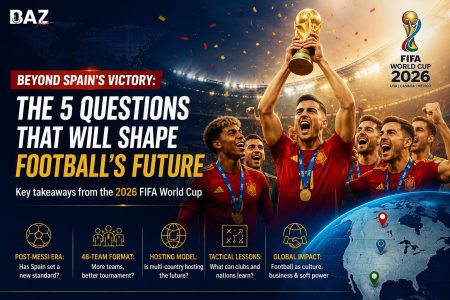
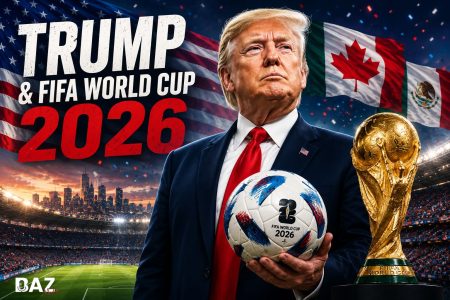
The 2026 FIFA World Cup is set to be the largest football tournament in history, jointly hosted by the United States, Canada, and Mexico. While fans are eagerly anticipating the expanded 48-team competition, one figure is increasingly dominating headlines outside the sport itself: President Donald Trump.
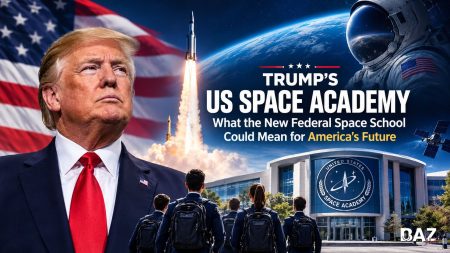
After returning to the White House following the 2024 election, Trump has become deeply involved in preparations for the tournament. From chairing a White House task force to being selected as the official trophy presenter, his growing role has sparked debate about whether politics could become one of the defining story-lines of the World Cup.
Trump’s Expanding Role in FIFA World Cup 2026
Trump’s connection to the tournament goes far beyond ceremonial appearances.
In March 2025, he signed an executive order creating a White House task force dedicated to coordinating preparations for the FIFA World Cup. The initiative aims to oversee security, transportation, infrastructure, and intergovernmental cooperation as millions of visitors are expected to arrive across North America.
The task force is chaired by Trump himself, while Vice President JD Vance serves as vice chair.
Trump’s involvement doesn’t end there. FIFA President Gianni Infantino has reportedly designated him to present the World Cup trophy to the winning team following the final on July 19, 2026. The move highlights the close relationship between FIFA leadership and the U.S. administration as the tournament approaches.
The president has also indicated that he plans to attend several matches, including Team USA’s opening fixture against Paraguay in Los Angeles.
Why FIFA 2026 Matters for the United States
The 2026 World Cup represents a historic opportunity for the United States.
The tournament is expected to generate billions of dollars in economic activity through tourism, hospitality, transportation, and entertainment. Major cities such as New York, Los Angeles, Miami, Dallas, Seattle, Atlanta, and Boston are preparing to host matches and welcome fans from around the globe.
For Trump, the event provides a global platform to showcase American infrastructure, economic strength, and international influence.
Supporters argue that active White House involvement can help ensure smooth organization and security. Critics, however, worry that political messaging could overshadow the sporting spectacle.
Political Tensions Could Complicate the Tournament
Despite the excitement surrounding the event, several political issues have raised concerns among analysts and football fans.
Trade Disputes with Canada and Mexico
The World Cup will be jointly hosted by three countries that have experienced periods of political and economic friction in recent years.
Trade disagreements and tariff disputes involving the United States, Canada, and Mexico have occasionally strained diplomatic relations. While organizers insist cooperation remains strong, critics fear political disagreements could create unnecessary distractions during the tournament.
Security and Host City Controversies
Trump has also generated headlines with comments regarding public safety in certain host cities.
Reports suggest he has raised concerns about security conditions in cities such as Los Angeles, Seattle, and Boston. Suggestions that matches could potentially be relocated due to safety concerns have sparked debate among local officials and sports commentators.
Although no official venue changes have been announced, the discussion has fueled concerns about politics influencing tournament logistics.
Iran’s Participation and Visa Concerns
Another developing issue involves Iran’s national football team.
Questions surrounding visas and travel arrangements for Iranian players, staff, and supporters have drawn international attention. Reports indicate the team may use Tijuana, Mexico, as a base camp due to ongoing uncertainties regarding entry procedures into the United States.
Such complications highlight the challenges FIFA faces when global sporting events intersect with international politics and diplomatic tensions.
Is Trump Turning FIFA 2026 into a Political Event?
One of the biggest criticisms surrounding Trump’s involvement is the perception that he is using the World Cup as a political platform.
Observers argue that the tournament presents a unique opportunity to project presidential influence on a global stage. Trump’s supporters view this as strong leadership and national promotion. Opponents contend that football should remain separate from partisan politics.
Interestingly, Trump himself has embraced the controversy. When discussing tensions surrounding the tournament, he remarked that such disagreements could actually make the event “more exciting.”
That statement has only intensified debate over whether the 2026 FIFA World Cup could become one of the most politically charged sporting events in recent memory.
FIFA’s Challenge: Keeping Football at the Center
FIFA faces a delicate balancing act.
On one hand, the organization benefits from government cooperation, especially when hosting a tournament of unprecedented scale. On the other hand, FIFA has traditionally promoted the idea that football should unite people regardless of political differences.
The governing body will need to navigate diplomatic issues, security concerns, visa challenges, and public perceptions while ensuring that the focus remains on the players and the competition itself.
With 48 teams, 104 matches, and billions of viewers expected worldwide, maintaining that balance may prove easier said than done.
Final Thoughts
As preparations accelerate, Donald Trump’s role in FIFA World Cup 2026 continues to attract attention across both political and sporting circles.
His leadership of the White House task force, planned attendance at matches, and expected role in presenting the championship trophy ensure he will remain highly visible throughout the tournament. However, ongoing debates over trade disputes, security concerns, and international relations raise important questions about whether politics could overshadow football’s biggest celebration.
For now, fans around the world are hoping that when the first whistle blows in June 2026, the focus remains where it belongs: on the beautiful game.