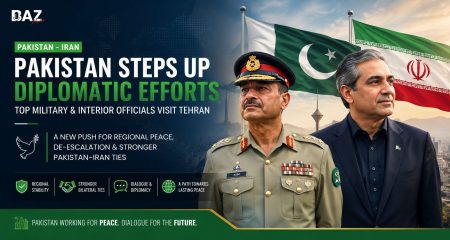
Pakistan has stepped up its diplomatic engagement in the Middle East as Chief of Defence Forces Field Marshal Asim Munir and Interior Minister Mohsin Naqvi travel to Tehran for high-level talks with Iranian officials. The visit comes at a critical moment, as tensions surrounding the Middle East conflict remain high and diplomatic efforts involving the United States and Iran face significant challenges.
The high-level Pakistani delegation reflects Islamabad’s growing focus on regional diplomacy, de-escalation and stronger bilateral relations with Iran.
Pakistan’s Military and Political Leadership Heads to Tehran
Field Marshal Asim Munir is expected to meet senior Iranian officials during his visit, with Interior Minister Mohsin Naqvi accompanying him as part of the delegation.
According to Pakistan’s Inter-Services Public Relations (ISPR), the visit is intended to support efforts toward a peaceful, lasting and comprehensive resolution to the ongoing Middle East conflict.
Iran’s Foreign Ministry has similarly characterized the visit as part of Pakistan’s “good offices” efforts aimed at promoting regional peace and security while strengthening cooperation between Pakistan and Iran.
The involvement of both military and political leadership is particularly significant. It indicates that Pakistan’s approach extends beyond traditional diplomacy and includes security, strategic and regional considerations.
Why Pakistan’s Visit to Iran Matters
Pakistan has historically maintained important relations with both Iran and the Arab Gulf states. At the same time, Islamabad continues to engage with the United States and other major international partners.
This diplomatic balancing act gives Pakistan a potentially important role in facilitating communication between countries with competing interests.
Field Marshal Asim Munir brings considerable military and strategic weight to discussions, while Mohsin Naqvi’s participation adds a political and internal-security dimension to the delegation.
Together, their presence sends a strong message that Pakistan views the current Middle East crisis as both a regional security challenge and an issue with direct implications for Pakistan-Iran relations.
Pakistan’s Role in Middle East Diplomacy
Pakistan has increasingly positioned itself as a country capable of supporting dialogue and de-escalation in the Middle East.
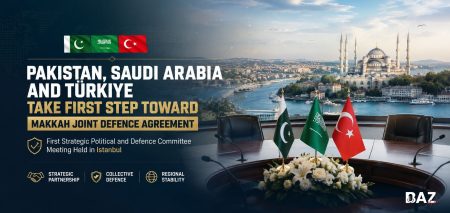
Its geographical position, relationships with Iran and Saudi Arabia, ties with Turkiye, and longstanding engagement with the United States provide Islamabad with multiple diplomatic channels.
However, maintaining these relationships simultaneously requires careful diplomacy.
Pakistan cannot afford to be perceived as fully aligned with one side of a regional confrontation. Instead, Islamabad appears to be emphasizing dialogue, regional stability and peaceful conflict resolution.
The Tehran visit therefore represents a broader Pakistan Middle East diplomacy strategy, in which Islamabad seeks to use its relationships to encourage communication rather than confrontation.
Iran-Pakistan Relations Take Center Stage
Beyond the wider Middle East conflict, the visit also carries importance for Pakistan-Iran relations.
The two neighboring countries share a long border and have mutual interests in trade, border security, energy cooperation and regional stability. At the same time, security concerns along the Pakistan-Iran border have periodically created tensions.
Greater diplomatic engagement between Islamabad and Tehran could help both countries address bilateral concerns while building cooperation in areas of shared interest.
For Pakistan, stronger relations with Iran are also strategically important because developments in Iran can directly affect Pakistan’s western border and broader regional security environment.
Strait of Hormuz Adds to the Stakes
The timing of the Pakistani delegation is particularly important because tensions surrounding the Middle East conflict have raised concerns about regional security and the Strait of Hormuz.
The strategic waterway is crucial to global energy markets and international trade. Any prolonged disruption could have consequences extending far beyond the Middle East, potentially affecting oil prices, shipping costs and global economic stability.
For Pakistan, which remains sensitive to international energy prices and external economic pressures, regional stability is particularly important.
Diplomatic efforts aimed at reducing tensions could therefore serve both Pakistan’s foreign-policy interests and its economic interests.
Pakistan’s Balancing Act Between Iran, Saudi Arabia and the US
One of the biggest challenges for Islamabad is maintaining constructive relations with multiple regional and global powers.
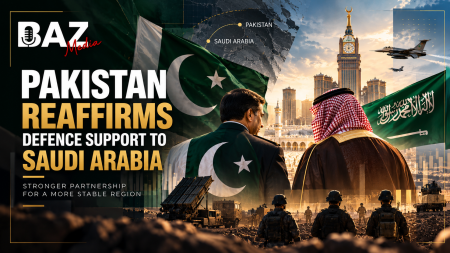
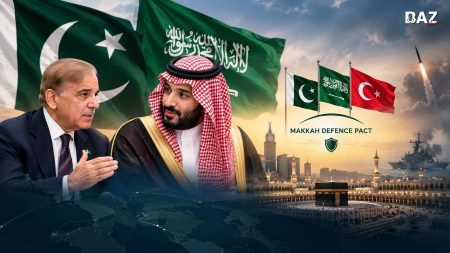
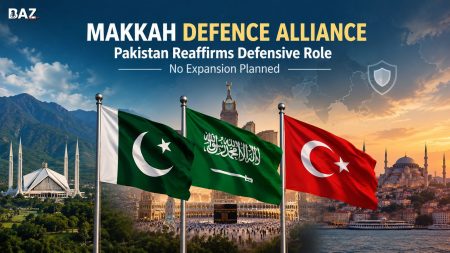
Pakistan has strong strategic ties with Saudi Arabia, maintains close relations with Turkiye, shares a border and historical relationship with Iran, and continues to engage with the United States.
This puts Pakistan in a unique but complicated diplomatic position.
Islamabad’s challenge is to encourage dialogue without appearing to take sides. Its diplomatic credibility will depend on whether it can maintain communication with different parties while advocating for de-escalation.
This is why the current Pakistan Iran diplomatic efforts could become an important test of Islamabad’s regional foreign policy.
Is Pakistan Mediating Between Iran and the United States?
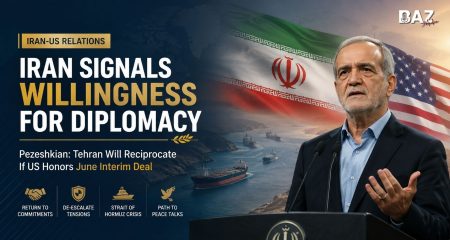
Pakistan’s latest engagement should be understood as a mediation and de-escalation initiative, rather than evidence that a new agreement between Iran and the United States has already been reached.
There has been no confirmed announcement of a major breakthrough resulting from the Tehran visit.
Instead, Pakistan appears to be using its diplomatic channels to encourage dialogue and explore possibilities for reducing regional tensions.
If Islamabad can successfully facilitate communication between key stakeholders, it could strengthen Pakistan’s position as a regional diplomatic actor.
What Comes Next?
The outcome of the Tehran meetings will be closely watched. The key questions will be whether Pakistan can help reduce tensions, strengthen Pakistan-Iran cooperation and create space for renewed diplomatic engagement.
For Islamabad, the objective is broader than a single diplomatic visit. Pakistan is seeking to demonstrate that it can contribute constructively to regional peace while protecting its own strategic and economic interests.
The visit by Field Marshal Asim Munir and Mohsin Naqvi therefore represents an important moment in Pakistan’s Middle East diplomacy.
While it is too early to call the visit a breakthrough, the high-level engagement demonstrates Pakistan’s willingness to play a more active role in regional de-escalation.
As tensions continue to reshape Middle Eastern geopolitics, Pakistan’s ability to maintain relationships across competing power blocs could become increasingly valuable.