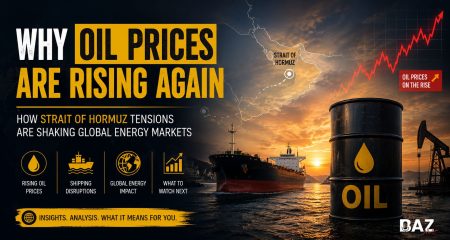
Why Oil Prices Are Rising as Strait of Hormuz Tensions Escalate
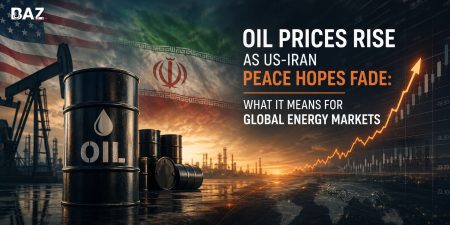
Global oil prices have climbed to their highest level in weeks as geopolitical tensions surrounding the Strait of Hormuz continue to unsettle financial markets. Investors and energy traders are closely monitoring developments between the United States and Iran, fearing that military actions, naval operations, and shipping disruptions could significantly reduce global oil supplies.
Although the world’s energy infrastructure remains operational, markets are reacting to the growing possibility that one of the most important oil transportation routes could face prolonged disruption.
Why Are Oil Prices Rising?
The recent surge in Brent crude oil prices is primarily driven by uncertainty rather than an actual shortage of oil.
Energy markets are highly sensitive to geopolitical risks. Even the possibility of reduced exports from the Middle East can trigger immediate price increases because traders anticipate tighter supply conditions in the near future.
Several factors are contributing to the latest rally:
- Escalating military tensions between the United States and Iran
- Increased security risks for commercial shipping
- Higher insurance premiums for oil tankers
- Concerns about delayed crude oil deliveries
- Potential reduction in exports from Gulf producers
Instead of waiting for shipping lanes to close completely, investors price in the risk well before major disruptions occur. This precautionary behavior often causes oil prices to rise rapidly during periods of geopolitical instability.
Why the Strait of Hormuz Matters to Global Energy
The Strait of Hormuz is widely regarded as the world’s most strategically important energy chokepoint.
Located between Iran and Oman, this narrow waterway connects the Persian Gulf to international markets and serves as the primary export route for many of the world’s largest oil-producing nations, including:
- Saudi Arabia
- United Arab Emirates
- Kuwait
- Iraq
- Qatar
- Iran
A significant portion of global crude oil exports and liquefied natural gas (LNG) shipments passes through this narrow passage every day.
Because so much of the world’s energy supply depends on uninterrupted shipping through Hormuz, even temporary military tensions can send shockwaves across global commodity markets.
How Geopolitical Tensions Influence Oil Markets
Oil markets are driven by both supply and expectations.
Whenever geopolitical events threaten production or transportation, traders anticipate future shortages and bid prices higher. This creates what analysts commonly call a “geopolitical risk premium.”
Current market concerns include:
Supply Chain Disruptions
Any interruption to tanker movements could delay millions of barrels of oil reaching international buyers.
Rising Shipping Costs
Shipping companies may reroute vessels or charge significantly higher transportation fees due to elevated security risks.
Higher Insurance Premiums
Marine insurers typically increase premiums during conflict, raising the overall cost of global oil transportation.
Reduced Market Confidence
Investors often move into commodities like crude oil when geopolitical uncertainty increases, further supporting higher prices.
Global Economic Impact of Rising Oil Prices
Higher crude oil prices rarely affect only the energy sector.
Since oil remains a critical input for transportation, manufacturing, aviation, agriculture, and logistics, rising prices often spread across the broader economy.
Potential consequences include:
Higher Fuel Prices
Consumers could face increased gasoline and diesel prices as refiners pass higher crude costs on to retailers.
Increased Inflation
Rising transportation and manufacturing costs often lead to more expensive consumer goods.
Pressure on Central Banks
Persistent energy inflation may complicate monetary policy decisions and delay potential interest rate cuts.
Slower Economic Growth
Businesses facing higher operating costs may reduce investment, hiring, or production.
What Happens If Shipping Through Hormuz Is Disrupted?
If military tensions escalate further and shipping through the Strait of Hormuz becomes severely restricted, the global energy market could experience several significant challenges.
Possible outcomes include:
- Reduced global oil exports
- Supply shortages in major importing countries
- Increased volatility in crude oil futures
- Higher LNG prices
- Rising freight and shipping costs
- Increased pressure on strategic petroleum reserves
Even countries that import relatively small amounts of Middle Eastern oil may experience higher energy prices because oil is traded in a globally interconnected market.
Could Oil Prices Continue Rising?
Much will depend on how the geopolitical situation evolves over the coming weeks.
If naval operations intensify or commercial shipping faces additional attacks, markets may continue pricing in greater supply risks.
However, oil markets have historically shown that geopolitical price spikes can reverse quickly once tensions ease or shipping routes remain open.
Investors will closely monitor:
- Diplomatic negotiations
- Naval activity in the Persian Gulf
- Shipping traffic through Hormuz
- OPEC production decisions
- Global crude inventory levels
- Demand forecasts from major economies
These developments will largely determine whether current oil prices remain elevated or begin to stabilize.
What This Means for Businesses and Consumers
Businesses that depend heavily on fuel including airlines, logistics companies, manufacturers, and shipping firms may face increasing operational costs if oil prices remain elevated.
Consumers could also notice:
- Higher transportation expenses
- Increased electricity costs in some regions
- More expensive airline tickets
- Rising food prices due to higher logistics costs
While governments often use strategic reserves or adjust energy policies to stabilize markets during periods of volatility, prolonged geopolitical uncertainty typically keeps energy markets on edge.
Final Thoughts
The latest increase in oil prices highlights how closely global energy markets are tied to geopolitical developments. The Strait of Hormuz remains one of the world’s most vital energy corridors, and any perceived threat to shipping through the region immediately affects investor sentiment.
Although no prolonged supply disruption has occurred yet, markets are responding to the possibility that ongoing tensions between the United States and Iran could interfere with one of the world’s busiest oil transit routes.
For now, traders, governments, and businesses alike will continue watching developments in the Gulf. Whether the current surge proves temporary or evolves into a longer-term energy shock will largely depend on the security of maritime trade and future diplomatic efforts.