US-Iran 14-Point Peace Deal Explained: What It Means for the Middle East and Global Markets
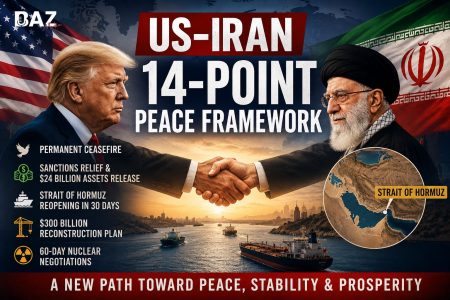
The United States and Iran appear to be moving toward one of the most significant diplomatic breakthroughs in recent Middle Eastern history. According to details released by Iranian sources, a comprehensive 14-point memorandum of understanding (MoU) outlines a roadmap for ending hostilities, easing sanctions, reopening vital trade routes, and launching new nuclear negotiations.
If finalized, the agreement could reshape regional security, global energy markets, and diplomatic relations between Washington and Tehran.
What Is the US-Iran 14-Point Agreement?
The proposed US-Iran peace deal establishes a framework for ending the conflict that has impacted regional stability, disrupted maritime trade, and raised concerns about global oil supplies.
The memorandum reportedly includes provisions covering a permanent ceasefire, sanctions relief, troop withdrawals, the release of frozen Iranian assets, and a future agreement on Iran’s nuclear program.
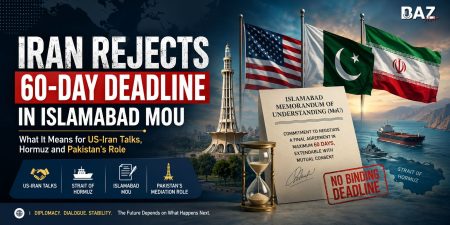
The agreement is expected to serve as the foundation for broader negotiations scheduled to take place over the next 60 days.
Permanent Ceasefire and End of Military Operations
One of the most important elements of the agreement is the immediate implementation of a permanent ceasefire.
Under the proposal, military operations would cease across all fronts, including conflict zones connected to Lebanon. The ceasefire is intended to reduce regional tensions and create conditions for diplomatic engagement.
US Commitment to Non-Interference
Another key provision states that the United States would respect Iran’s sovereignty and refrain from interfering in its internal affairs.
For Tehran, this represents a major diplomatic objective and could become a critical confidence-building measure during future negotiations.
Improved trust between the two countries may help facilitate discussions on broader regional security concerns.
Strait of Hormuz Reopening: Why It Matters
The Strait of Hormuz remains one of the world’s most strategically important waterways, handling a substantial portion of global oil shipments.
Under the agreement, the strait would be fully reopened within 30 days. Iran and Oman are expected to oversee maritime operations and navigation management.
The reopening of the Strait of Hormuz could have several economic benefits:
- Improved global energy supply chains
- Reduced shipping disruptions
- Greater stability in oil markets
- Increased confidence among international investors
Suspension of Oil Sanctions
A major economic component of the agreement involves the suspension of sanctions affecting Iran’s oil and petrochemical sectors.
If implemented, Iran would regain broader access to international markets and financial systems.
Potential benefits include:
- Increased Iranian oil exports
- Higher government revenues
- Improved foreign investment opportunities
- Greater stability in energy markets
Energy analysts suggest that renewed Iranian oil production could influence global oil prices and strengthen energy security for importing nations.
Release of $24 Billion in Frozen Iranian Assets
The memorandum also proposes releasing approximately $24 billion in frozen Iranian assets.
According to the reported framework, half of the funds would become available before formal negotiations begin.
The release of these assets could provide Iran with significant financial resources to support economic recovery, infrastructure development, and reconstruction efforts.
$300 Billion Reconstruction Initiative
Perhaps the most ambitious component of the agreement is a proposed reconstruction package valued at no less than $300 billion.
The plan would involve support from the United States and allied partners to rebuild damaged infrastructure and stimulate economic growth.
Potential areas of investment include:
Infrastructure Development
- Transportation networks
- Public utilities
- Energy facilities
Economic Revitalization
- Industrial modernization
- Technology investments
- Private sector development
Social Services
- Healthcare infrastructure
- Education facilities
- Community development programs
If realized, this reconstruction initiative could become one of the largest post-conflict recovery programs in the region.
New Nuclear Negotiations Scheduled
The agreement outlines a 60-day negotiation process focused on resolving outstanding nuclear issues.
The talks are expected to address:
- Iran’s nuclear activities
- International inspections
- Future sanctions removal
- Compliance mechanisms
- International Atomic Energy Agency (IAEA) concerns
Iran has reportedly reaffirmed its commitment under the Nuclear Non-Proliferation Treaty (NPT) not to develop nuclear weapons.
Successful negotiations could pave the way for a broader and more durable diplomatic settlement.
Conditions Before Negotiations Begin
A notable feature of the memorandum is that several conditions must be fulfilled before formal negotiations commence.
These include:
- Partial release of frozen assets
- Suspension of oil sanctions
- Lifting of the naval blockade
- Initial implementation of ceasefire measures
This sequencing reflects Iran’s demand for tangible economic and diplomatic actions before entering comprehensive talks.
Potential Impact on Global Markets
The proposed agreement could have far-reaching consequences beyond the Middle East.
Oil Markets
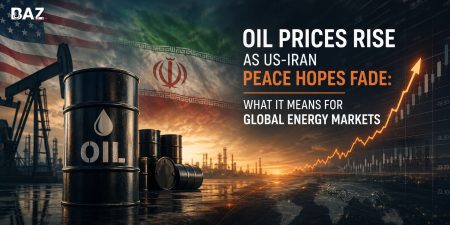
The return of Iranian oil exports could increase global supply and influence crude oil prices.
Maritime Trade
The reopening of the Strait of Hormuz may reduce shipping risks and improve international trade flows.
Investment Climate
Reduced geopolitical tensions could encourage greater regional and international investment.
Regional Stability
A successful agreement may lower security risks and create opportunities for broader diplomatic engagement across the Middle East.
Conclusion
The reported 14-point US-Iran memorandum represents an ambitious attempt to end hostilities and establish a framework for long-term diplomatic engagement. From a permanent ceasefire and sanctions relief to nuclear negotiations and a proposed $300 billion reconstruction plan, the agreement addresses both immediate concerns and future challenges.
While many details remain subject to negotiation and implementation, the framework signals a potentially historic shift in US-Iran relations. The coming weeks, including technical discussions and planned negotiations in Geneva, will determine whether this proposal evolves into a lasting peace agreement capable of transforming regional politics and global energy markets.