Pakistan Reaffirms Support for Saudi Arabia Following Houthi Attack on Red Sea Oil Tankers
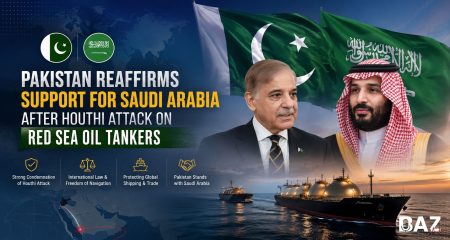
Pakistan has once again voiced unwavering support for Saudi Arabia after a reported Houthi attack on Saudi oil tankers in the Red Sea. During a telephone conversation with Saudi Crown Prince Mohammed bin Salman, Prime Minister Shehbaz Sharif strongly condemned the assault, describing it as “unacceptable” and reaffirming Pakistan’s commitment to Saudi Arabia’s sovereignty, security, and territorial integrity.
The latest diplomatic exchange highlights Pakistan’s continued alignment with Riyadh amid escalating tensions in the Middle East. It also reflects growing international concern over attacks targeting commercial shipping routes in one of the world’s most strategically important waterways.
Pakistan Strongly Condemns the Houthi Attack
According to official reports, Prime Minister Shehbaz Sharif emphasized that attacks on commercial vessels violate international law and pose serious risks to regional peace and global trade.
During the conversation with Crown Prince Mohammed bin Salman, the Prime Minister reiterated Pakistan’s longstanding support for Saudi Arabia, stressing that any threat to the Kingdom’s security is a matter of concern for Islamabad.
Pakistan also warned that attacks on maritime routes could undermine freedom of navigation, increase instability across the region, and disrupt international commerce.
This statement follows several recent diplomatic messages from Islamabad condemning Houthi missile launches and maritime attacks against Saudi Arabia.
Why the Red Sea Matters to the World
The Red Sea is one of the world’s busiest maritime trade corridors.
Every year, millions of barrels of crude oil, liquefied natural gas (LNG), manufactured goods, food supplies, and commercial cargo pass through this strategic waterway before reaching Europe, Asia, and North America.
Any disruption in the Red Sea can have consequences far beyond the Middle East, including:
- Higher global shipping costs
- Increased marine insurance premiums
- Delays in international supply chains
- Rising fuel and energy prices
- Greater uncertainty in global financial markets
For oil-importing countries like Pakistan, prolonged instability in the region could eventually influence fuel import costs and inflation.
Pakistan’s Consistent Support for Saudi Arabia
Pakistan and Saudi Arabia have maintained close diplomatic, economic, and defense relations for decades.
The two countries cooperate in multiple areas, including:
- Regional security
- Counterterrorism
- Defense collaboration
- Energy cooperation
- Investment initiatives
- Support for Muslim countries on international platforms
Whenever Saudi Arabia faces external security threats, Pakistan has consistently expressed diplomatic support while advocating peaceful solutions based on international law.
The latest statement from Prime Minister Shehbaz Sharif continues this long-established foreign policy approach.
The Growing Challenge of Maritime Security
The recent attack once again places maritime security at the center of international attention.
Commercial shipping routes are essential for maintaining stable global trade. Attacks on civilian vessels not only endanger crews but also increase operational costs for shipping companies worldwide.
Governments and international organizations continue to emphasize the importance of protecting:
- Freedom of navigation
- Commercial shipping lanes
- Energy transportation routes
- International maritime law
Analysts warn that repeated attacks could force shipping companies to reroute vessels around Africa’s Cape of Good Hope a significantly longer and more expensive journey that can delay deliveries and raise transportation costs.
Diplomatic Message Beyond the Region
Pakistan’s response also carries broader diplomatic significance.
By publicly reaffirming support for Saudi Arabia, Islamabad is reinforcing its strategic partnership with Riyadh while aligning itself with international calls for safeguarding maritime trade.
The statement sends several key messages:
- Pakistan opposes attacks targeting civilian shipping.
- International law must be respected.
- Regional disputes should not threaten global commerce.
- Stability in the Middle East remains vital for international economic security.
This balanced approach allows Pakistan to maintain strong bilateral relations while emphasizing principles recognized under international law.
Potential Economic Impact of Red Sea Tensions
Although the attack occurred far from Pakistan’s borders, its economic implications could eventually be felt worldwide.
If instability persists, markets may experience:
Rising Oil Prices
Any threat to oil transportation creates uncertainty in global energy markets. Even temporary disruptions can trigger higher crude oil prices.
Increased Freight Charges
Shipping companies may charge higher rates to offset operational risks, insurance costs, and alternative routes.
Supply Chain Delays
Longer transit times affect manufacturers, retailers, and consumers worldwide by increasing delivery times and product costs.
Inflationary Pressure
Higher transportation and energy costs often translate into increased prices for everyday goods.
These factors explain why governments across the world closely monitor developments in the Red Sea.
International Law and Freedom of Navigation
Pakistan emphasized that attacks on commercial vessels violate international law and threaten the internationally recognized principle of freedom of navigation.
Freedom of navigation ensures that commercial ships can safely travel through international waters without unlawful interference.
Maintaining secure sea lanes is essential for:
- Global trade
- Energy security
- Humanitarian supplies
- International commerce
- Economic stability
Protecting these routes remains a shared priority for governments, shipping companies, and international organizations.
Looking Ahead
The security situation in the Red Sea remains fluid, and the international community continues to monitor developments closely.
Pakistan’s latest diplomatic position reflects its continued support for Saudi Arabia while highlighting broader concerns over maritime security, international law, and regional stability.
As tensions persist, policymakers, businesses, and energy markets will be watching carefully for any developments that could further affect global trade and oil transportation.
For countries dependent on imported energy and uninterrupted shipping routes, maintaining stability in the Red Sea is not only a regional priority but also an economic necessity.
Conclusion
Prime Minister Shehbaz Sharif’s condemnation of the Houthi attack on Saudi oil tankers underscores Pakistan’s enduring strategic partnership with Saudi Arabia and its commitment to protecting international maritime security. By reaffirming support for Riyadh and stressing the importance of freedom of navigation, Islamabad has reinforced its position as a supporter of regional stability and lawful international trade.
As geopolitical tensions continue to influence global shipping and energy markets, the Red Sea will remain one of the world’s most closely watched maritime corridors. The coming weeks may determine whether diplomatic efforts can ease tensions or whether continued instability will place additional pressure on global commerce.