Pakistan Appeals for Peace as US-`Iran Hostilities Threaten Regional Stability
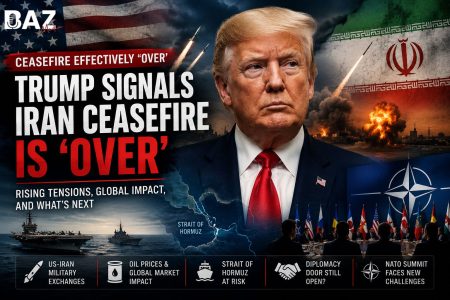
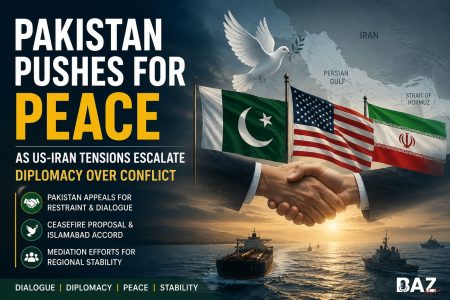
As tensions between the United States and Iran continue to rise, Pakistan has once again positioned itself as a voice for diplomacy and regional stability. Prime Minister Shehbaz Sharif has urged all parties involved to exercise restraint and give peace a greater opportunity, warning that further escalation could trigger a wider conflict across the Middle East.
The appeal comes amid renewed military confrontations near the strategically important Strait of Hormuz, a critical global energy corridor through which a significant portion of the world’s oil supplies passes every day.
Pakistan’s Growing Role in US-Iran Peace Mediation
Pakistan has increasingly sought to play a constructive diplomatic role in easing tensions between Washington and Tehran. According to reports, Prime Minister Shehbaz Sharif proposed extending a ceasefire period by two weeks to create space for meaningful negotiations between the United States and Iran.
The initiative reflects Islamabad’s broader strategy of encouraging dialogue over confrontation. Pakistani officials believe that diplomatic engagement remains the most effective path toward preventing a prolonged regional conflict that could have global economic consequences.
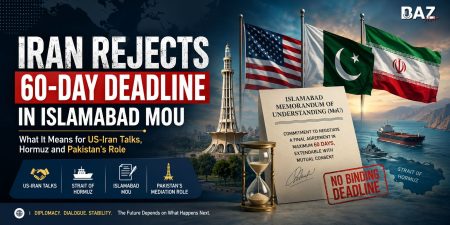
As part of these efforts, Pakistan reportedly developed a framework known as the “Islamabad Accord,” designed to establish an immediate ceasefire followed by comprehensive negotiations addressing key security concerns.
What Is the Islamabad Accord?
The proposed Islamabad Accord aims to create a roadmap for de-escalation by focusing on three primary objectives:
Immediate Ceasefire
A temporary halt to military operations would reduce tensions and prevent further civilian and military casualties.
Confidence-Building Measures
Pakistan suggested that Iran could reopen the Strait of Hormuz during the ceasefire period as a gesture of goodwill, helping restore confidence among international stakeholders.
Comprehensive Negotiations
The framework envisions broader discussions addressing security concerns, regional stability, maritime security, and future diplomatic cooperation.
Although previous attempts to organize direct peace talks faced setbacks, Islamabad continues to advocate for dialogue as the preferred solution.
Recent Escalation in US-Iran Military Tensions
The latest developments have raised concerns among regional observers and international policymakers alike.
Iran reportedly launched missile strikes targeting US military facilities in Bahrain and Kuwait following renewed American military actions in the Gulf region. Subsequent reports indicated additional attacks and retaliatory measures involving strategic locations near the Strait of Hormuz.
The ongoing cycle of action and reaction has fueled fears that the fragile ceasefire environment could collapse entirely if diplomatic efforts fail.
Security analysts warn that any major disruption in the Gulf region could affect international shipping routes, energy markets, and regional economic stability.
Why the Strait of Hormuz Matters
The Strait of Hormuz remains one of the world’s most important maritime chokepoints. Connecting the Persian Gulf with global markets, it serves as a vital route for oil and natural gas exports from several Middle Eastern countries.
Any military confrontation in or around the strait can have far-reaching consequences, including:
- Increased oil prices worldwide
- Higher transportation and shipping costs
- Supply chain disruptions
- Greater economic uncertainty
- Increased geopolitical instability
This explains why global powers closely monitor developments in the region and why Pakistan’s calls for restraint have attracted international attention.
Shehbaz Sharif’s Message: Give Peace a Chance
Prime Minister Shehbaz Sharif emphasized that negotiations between Iran and the United States appear to be moving closer to a potential breakthrough. He cautioned against actions that could reverse diplomatic progress and reignite a broader conflict.
His message reflects Pakistan’s long-standing position that sustainable peace can only be achieved through dialogue, mutual respect, and diplomatic engagement.
Pakistan’s leadership has consistently argued that military escalation often creates new challenges rather than resolving existing disputes. By encouraging restraint from all sides, Islamabad hopes to prevent further instability in an already volatile region.
Pakistan’s Strategic Interest in Regional Stability
Pakistan’s involvement is not solely diplomatic. Regional stability directly impacts Pakistan’s economic, security, and geopolitical interests.
A prolonged US-Iran conflict could affect:
Energy Security
Higher oil prices would increase import costs for many countries, including Pakistan.
Trade Routes
Disruptions in Gulf shipping lanes could affect regional commerce and international trade.
Regional Security
Escalating tensions could create wider instability across neighboring regions.
Economic Growth
Global market uncertainty often impacts investment, trade, and economic development.
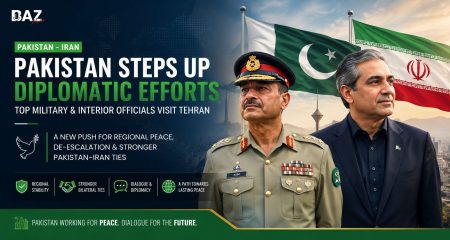
For these reasons, Pakistan continues to advocate for peaceful solutions while maintaining communication with multiple regional stakeholders.
Can Diplomacy Prevent a Wider Conflict?
The coming weeks may prove crucial for determining whether diplomacy can succeed in preventing a broader confrontation. While military tensions remain high, ongoing diplomatic efforts suggest that opportunities for dialogue still exist.
Pakistan’s calls for restraint, combined with international pressure for de-escalation, may help create the conditions necessary for renewed negotiations.
Whether through the proposed Islamabad Accord or other diplomatic initiatives, the objective remains the same: reducing tensions, protecting regional stability, and avoiding a conflict that could have significant global consequences.
Conclusion
As US-Iran tensions continue to dominate regional headlines, Pakistan has emerged as a key advocate for diplomacy and conflict resolution. Prime Minister Shehbaz Sharif’s appeal for restraint highlights Islamabad’s commitment to peace at a time when military escalation threatens regional and global stability.
With the Strait of Hormuz remaining at the center of geopolitical concerns, successful diplomacy could help prevent economic disruption, safeguard international trade routes, and reduce the risk of a wider Middle East conflict. The world will be watching closely to see whether dialogue can prevail over confrontation.