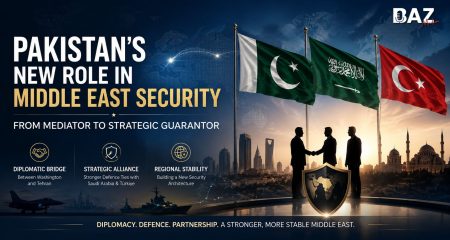
Pakistan’s role in the Middle East is undergoing a major strategic transformation. Once primarily viewed through the lens of the “frontline state” in the war on terror, Pakistan is increasingly emerging as a key Middle East security partner, diplomatic bridge, and defence actor.
Over the past year, Islamabad has expanded its influence through US-Iran mediation, stronger Saudi Arabia defence ties, military cooperation with Türkiye, and the formation of a new trilateral security framework. The shift could significantly reshape Pakistan’s relations with the Gulf, Iran, the United States, China, and the wider Muslim world.
Pakistan’s Changing Role in Middle East Security
Pakistan has historically maintained close military and diplomatic relationships with Gulf states while also sharing a border and longstanding ties with Iran. This unique position has allowed Islamabad to maintain communication channels with competing regional powers.
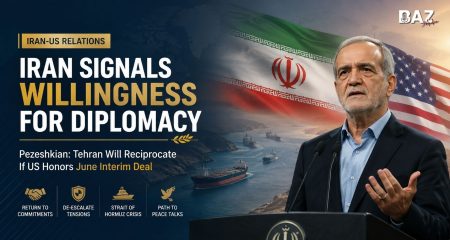
During the recent US-Iran conflict, Pakistan reportedly played a mediation role by relaying proposals and hosting high-level diplomatic engagement in Islamabad. Its ability to communicate with both Washington and Tehran gave Pakistan an unusual diplomatic advantage.
This represents an important change. Pakistan is no longer simply responding to regional crises; it is increasingly seeking a role in shaping Middle East diplomacy and regional security.
From Mediator to Security Guarantor
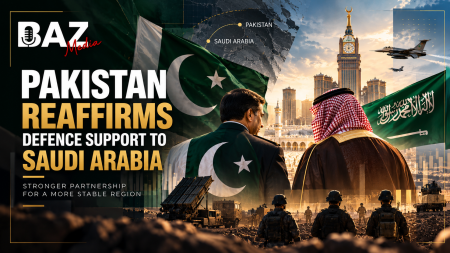
The biggest development has been Pakistan’s growing defence relationship with Saudi Arabia.
The Saudi Arabia-Pakistan Strategic Mutual Defence Agreement, signed in September 2025, formalised a longstanding security partnership by establishing a mutual-defence commitment. The agreement strengthened Pakistan’s position as a strategic security partner for Riyadh.
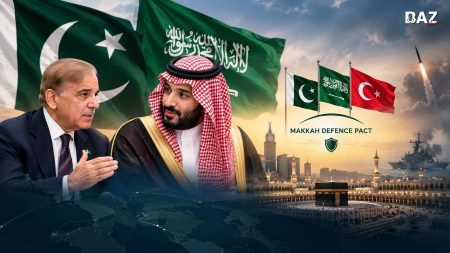
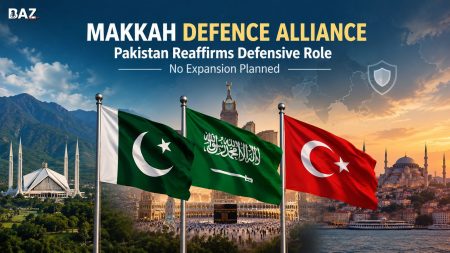
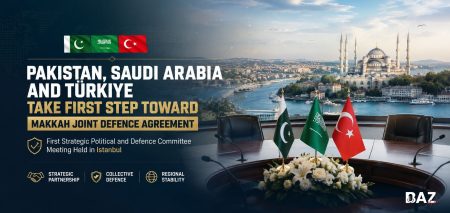
The relationship gained another major dimension on August 7, 2026, when Saudi Arabia, Pakistan and Türkiye signed the Mecca Joint Defence Agreement.
The agreement brings together three strategically important countries with different but complementary strengths. Türkiye contributes substantial conventional military capabilities, Saudi Arabia provides economic and strategic weight, while Pakistan brings decades of military experience and a nuclear deterrent.
This makes the emerging partnership particularly significant for the future of Gulf security and Middle East defence cooperation.
Why Pakistan Matters to Saudi Arabia and Türkiye
Pakistan offers Saudi Arabia and Türkiye something few other countries can provide: a combination of military expertise, diplomatic reach and strategic deterrence.
Pakistan has spent decades training military personnel from Gulf countries and maintaining defence cooperation with Saudi Arabia. Its armed forces also possess extensive experience in counterterrorism, conventional warfare, air operations and regional security missions.
For Riyadh, closer defence cooperation with Islamabad can provide an additional security layer at a time when Gulf states are increasingly interested in developing greater strategic autonomy.
For Türkiye, cooperation with Pakistan creates an opportunity to strengthen ties with another major Muslim-majority military power while expanding regional security coordination.
Pakistan’s Nuclear Capability Adds a Strategic Dimension
One of the most important aspects of Pakistan’s growing regional role is its nuclear capability.
Pakistan is the only nuclear-armed Muslim-majority country, giving its participation in a regional defence framework an entirely different strategic significance.
However, Pakistan’s nuclear capability should not automatically be interpreted as an extension of its nuclear deterrence to Saudi Arabia or Türkiye. Instead, its existence adds strategic weight to Pakistan’s position within any broader regional security architecture.
For Gulf states facing uncertainty about long-term external security guarantees, closer cooperation with Pakistan can represent an additional strategic hedge.
Is the Middle East Becoming Less Dependent on the United States?
The rise of new regional defence partnerships comes amid growing debate about the future of the US role in the Middle East.
For decades, Washington has been the principal external security partner for many Gulf states. However, regional powers are increasingly seeking greater defence capabilities, diplomatic flexibility and partnerships with multiple countries.
The Saudi Arabia-Pakistan-Türkiye framework can therefore be viewed as part of a broader trend toward regional self-reliance in Middle East security.
Importantly, this does not necessarily mean that Saudi Arabia, Türkiye or Pakistan are abandoning their relationships with the United States. Instead, regional countries appear increasingly interested in diversifying their strategic partnerships.
The Iran Challenge for Pakistan
Pakistan’s expanding security relationship with Saudi Arabia and Türkiye also creates a difficult diplomatic balancing act.
Iran is Pakistan’s immediate western neighbour, and Islamabad has strong economic, cultural and historical interests in maintaining stable relations with Tehran.
At the same time, Saudi Arabia is one of Pakistan’s closest strategic and economic partners.
This means Pakistan must carefully balance its Saudi Arabia defence partnership with its relationship with Iran.
Its growing reputation as a mediator could actually help Islamabad manage this challenge. Maintaining communication with Tehran while strengthening ties with Riyadh allows Pakistan to position itself as a potential bridge rather than simply another participant in regional rivalries.
What Does This Mean for Pakistan?
Pakistan’s emerging Middle East security role could generate significant diplomatic and economic opportunities.
Greater defence cooperation may lead to expanded military training, defence production, intelligence cooperation and strategic coordination. It could also strengthen Pakistan’s diplomatic influence with Gulf states and increase Islamabad’s importance in regional decision-making.
The partnership could further support Pakistan’s broader strategy of maintaining relationships with several major powers simultaneously.
Pakistan has close strategic ties with China, a longstanding security relationship with the United States, growing defence cooperation with Türkiye, and deep economic and religious ties with Saudi Arabia.
Its challenge will be to prevent these relationships from becoming competing commitments.
A New Strategic Chapter for Pakistan
Pakistan’s transformation from a frontline state into a more active Middle East security actor marks a significant shift in its foreign policy.
Its role as a mediator between Washington and Tehran, its defence partnership with Saudi Arabia, and its trilateral cooperation with Türkiye are giving Islamabad greater strategic relevance.
The real test, however, will be whether Pakistan can convert this new diplomatic and military influence into lasting regional stability without becoming directly entangled in Middle Eastern conflicts. If Islamabad succeeds, Pakistan could emerge not merely as a participant in Middle Eastern