A Fragile Diplomatic Window
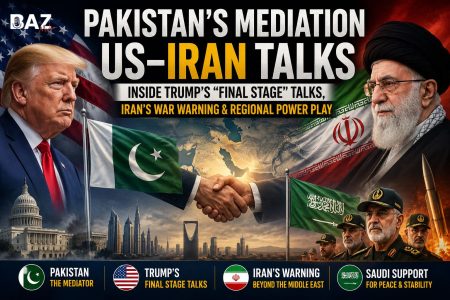
Tensions between the United States and Iran are once again entering a critical phase, but this time the diplomatic landscape is more complex than ever. With indirect negotiations intensifying and regional actors stepping in, the situation is no longer a two-player confrontation.
At the center of this evolving geopolitical equation is an unexpected but increasingly important player Pakistan.
Pakistan’s Rising Role as a Quiet Mediator
Pakistan is actively attempting to prevent a dangerous escalation between the United States and Iran by keeping diplomatic channels open.
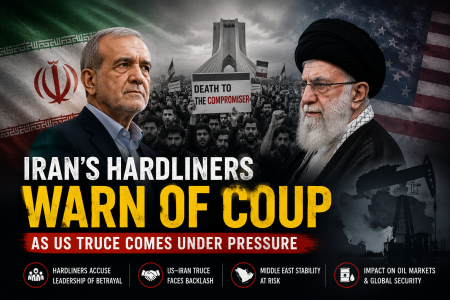
Reports suggest senior officials, including Interior Minister Mohsin Naqvi, have made repeated visits to Tehran, engaging directly with Iranian leadership including President Masoud Pezeshkian and representatives of the Islamic Revolutionary Guard Corps.
This approach signals a shift in Pakistan’s foreign policy posture from observer to active mediator aiming to stabilize a highly volatile region.
Trump’s Mixed Message: Deal Progress vs War Warning
Former U.S. President Donald Trump has added further complexity to the situation.
On one hand, he has stated that Iran talks are in the “final stages,” suggesting diplomatic progress. On the other hand, he has warned that if negotiations collapse, renewed hostilities could follow.
This dual messaging creates uncertainty signaling that peace is possible, but not guaranteed.
Iran’s Strategic Warning Through IRGC
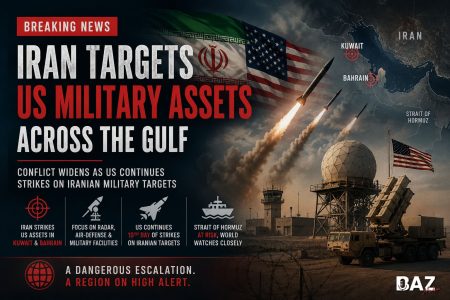
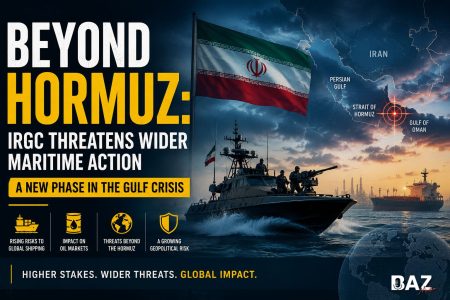
Iran’s military leadership, particularly the Islamic Revolutionary Guard Corps, has issued strong warnings that any renewed attack could expand conflict “beyond the Middle East.”
This is not just rhetoric it is a strategic deterrence signal.
At the same time, Iranian President Masoud Pezeshkian has indicated that “all paths” for dialogue remain open, showing a dual-track approach: firmness in defense, openness in diplomacy.
Saudi Arabia’s Quiet but Crucial Support
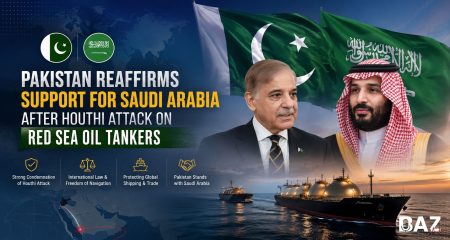
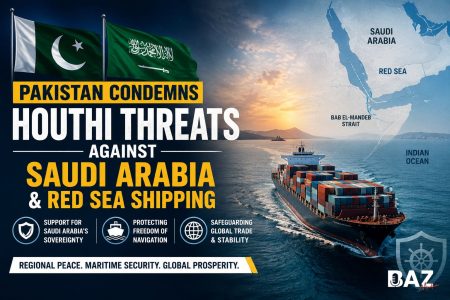
A key stabilizing factor in this diplomatic equation is the subtle backing of Saudi Arabia for Pakistan’s mediation efforts.
This support gives Islamabad additional legitimacy and regional influence, transforming its role from a bilateral mediator into a broader Gulf-backed diplomatic channel.
In strategic terms, Saudi Arabia’s involvement signals a shared interest in preventing regional destabilization.
Why This Situation Matters Globally
This is no longer just a US-Iran bilateral issue. The situation now involves:
- Pakistan as a mediator
- Saudi Arabia as a regional stabilizer
- Iran’s IRGC as a hardline deterrent force
- US political messaging under Donald Trump
This multi-actor environment increases both diplomatic opportunity and escalation risk.
Peace Path or Escalation Risk?
The current phase of US-Iran relations is defined by contradiction:
- Diplomacy is active but fragile
- Threats exist alongside negotiations
- Regional powers are quietly influencing outcomes
The involvement of Pakistan may represent one of the few viable backchannels capable of preventing escalation but success depends on alignment between Washington, Tehran, and regional stakeholders.
For now, the world remains in a tense waiting period where both peace and conflict remain possible outcomes.