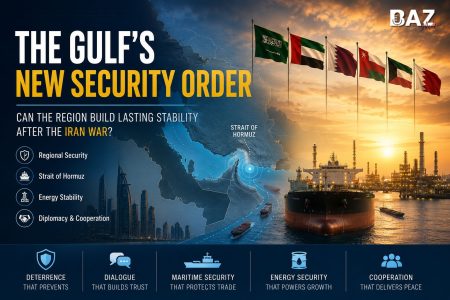
The Gulf’s New Security Order: Can the Region Build Lasting Stability After the Iran War?
The military confrontation involving Iran has reshaped the geopolitical landscape of the Gulf. While active hostilities may have eased, policymakers across the Middle East understand that the end of fighting does not automatically create lasting peace. Instead, the region now faces a far more complex challenge building a security framework capable of preventing another crisis.
For Gulf nations, the priority is no longer limited to deterrence. The broader objective is creating a regional order that protects energy infrastructure, secures international shipping routes, and encourages economic confidence. Whether this vision succeeds will determine the future of Gulf stability and its role in the global economy.
Why the Gulf Cannot Return to the Old Status Quo
Before the conflict, Gulf states relied on a delicate balance of military deterrence, diplomatic engagement, and international partnerships. However, the recent war exposed serious vulnerabilities in regional security.
Missile strikes, drone attacks, and threats to strategic waterways demonstrated that critical infrastructure remains highly exposed during periods of escalation. The Strait of Hormuz, through which nearly one-fifth of the world’s oil supply passes, once again became a focal point of global concern.
As a result, regional governments increasingly believe that simply ending military operations is insufficient. They seek a more durable system capable of preventing future conflicts from disrupting trade, energy exports, and economic development.
The Strait of Hormuz Remains the World’s Strategic Pressure Point
No discussion about Gulf security is complete without addressing the Strait of Hormuz.
This narrow maritime corridor connects Gulf energy producers with international markets. Any disruption immediately affects oil prices, shipping insurance costs, supply chains, and investor confidence across the world.
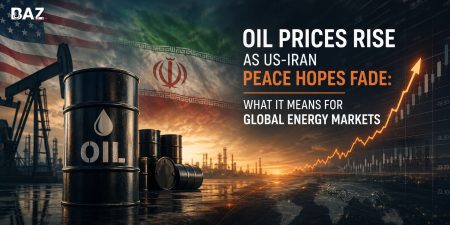
Recent tensions demonstrated how quickly uncertainty surrounding the Strait can ripple through global markets. Even temporary threats forced shipping companies to reassess routes while energy markets experienced significant volatility.
Protecting this waterway has therefore become one of the central objectives of any future Gulf security architecture.
security architecture.
Why Building an Inclusive Regional Security Order Is So Difficult
Although many governments support regional dialogue, significant political obstacles remain.
Gulf Cooperation Council (GCC) members including Saudi Arabia, the United Arab Emirates, Qatar, Kuwait, Bahrain, and Oman continue to view regional security through different strategic lenses than Iran.
While all parties publicly support stability, disagreements persist over:
- Missile programs
- Regional proxy networks
- Maritime security
- Military deterrence
- Foreign military presence
- Energy infrastructure protection
These competing threat perceptions create a fundamental trust deficit.
From the Gulf states’ perspective, any agreement that allows Iran to rebuild strategic leverage without meaningful safeguards could increase future risks. Meanwhile, Tehran remains skeptical of security arrangements heavily influenced by external powers.
This mutual distrust makes comprehensive regional cooperation extremely challenging.
What a Future Gulf Security Framework Should Include
Security experts increasingly argue that lasting stability requires more than temporary ceasefires.
A comprehensive regional framework would likely include several key pillars.
Missile and Drone Restraint
The rapid evolution of missile and drone capabilities has transformed regional warfare. Confidence-building measures limiting their use against civilian infrastructure could significantly reduce escalation risks.
Maritime Security Cooperation
Joint naval coordination and internationally supported shipping protection mechanisms would strengthen confidence among commercial shipping operators and global investors.
Crisis Communication Channels
Direct communication between regional rivals can help prevent misunderstandings during periods of heightened tension, reducing the likelihood of accidental escalation.
Protection of Energy Infrastructure
Oil fields, refineries, gas facilities, and export terminals have become strategic targets during modern conflicts. Formal agreements prohibiting attacks on civilian energy infrastructure would strengthen regional resilience.
Regional Dialogue Including Iran
Perhaps the most important element is sustained diplomatic engagement involving both Arab Gulf states and Iran.
Rather than relying exclusively on outside mediation, regional ownership of security discussions could produce more durable solutions adapted to local realities.
Economic Recovery Depends on Security
The Gulf’s future is closely tied to investor confidence.
Years of economic diversification have expanded Gulf economies beyond oil, with growing investments in tourism, logistics, technology, manufacturing, and financial services. However, prolonged geopolitical instability threatens these ambitions.
Investors evaluate political risk alongside financial opportunity. When military tensions increase, capital flows often slow, insurance costs rise, and infrastructure projects become more expensive.
Stable shipping lanes, predictable energy exports, and reliable regional diplomacy are therefore economic necessities not simply foreign policy goals.
For Gulf governments pursuing long-term development strategies, restoring confidence in markets has become just as important as strengthening military deterrence.
Can the Gulf Build a More Stable Future?
The post-war environment presents both risks and opportunities.
On one hand, the conflict reinforced longstanding rivalries and deepened strategic mistrust. On the other, it also highlighted the enormous economic costs of instability for every country involved.
A sustainable Gulf security order will require balancing deterrence with diplomacy, strengthening regional cooperation while acknowledging persistent disagreements.
No single agreement is likely to eliminate decades of geopolitical competition. However, incremental confidence-building measures combined with stronger maritime security, energy protection, and continuous dialogue could gradually reduce the likelihood of future crises.
Ultimately, the success of the Gulf’s new security architecture will not be measured solely by the absence of war. It will depend on whether businesses, investors, shipping companies, and regional populations believe the Middle East has entered a more predictable and secure era.
Final Thoughts
The Gulf stands at a pivotal moment in its modern history. The recent conflict demonstrated that military victories alone cannot guarantee regional stability. Lasting peace will require inclusive diplomacy, practical security mechanisms, and economic cooperation that extends beyond traditional alliances.
If Gulf states and Iran can establish credible rules governing maritime security, missile restraint, and the protection of energy infrastructure, the region may gradually move toward a more resilient security order. Failure to do so, however, risks leaving the Middle East trapped in a cycle of recurring crises that continue to threaten global energy markets and international trade.