A Historic Turning Point in US-Iran Relations
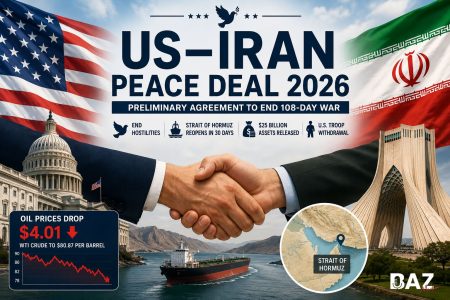
The global geopolitical landscape has taken a dramatic turn as the United States and Iran move toward a preliminary peace agreement aimed at ending a 108-day conflict. The announcement, made by Pakistani Prime Minister Shehbaz Sharif on June 15, 2026, signals one of the most significant diplomatic breakthroughs in recent years.
The agreement framework, reportedly set to be officially signed in Switzerland, introduces immediate de-escalation measures, maritime route reopening plans, and financial asset releases. While not yet a final treaty, it lays the groundwork for a long-term resolution.
What Is the US-Iran Peace Deal 2026?
The US-Iran peace agreement 2026 is a preliminary memorandum of understanding between the United States and Iran aimed at ending active hostilities and restoring regional stability.
The conflict-described as a 108-day war had disrupted global trade routes, intensified Middle East tensions, and triggered volatility in energy markets.
Key stakeholders include:
- United States
- Iran
- Regional mediators including Oman and Pakistan
Key Terms of the Preliminary Agreement
The US-Iran framework includes several critical provisions that define the early stages of peace implementation:
Immediate Cessation of Hostilities
Both sides have agreed to an immediate and permanent halt in military operations across all active fronts. This includes indirect engagements and proxy conflict zones such as Lebanon.
Strait of Hormuz Reopening
One of the most important global trade routes, the Strait of Hormuz, is expected to reopen within 30 days. It will be managed under Iranian oversight in coordination with Oman.
This development is a major component of the Strait of Hormuz reopening 2026 plan, restoring stability to global oil shipping routes.
Naval Blockade Removal
The United States has agreed to fully lift its naval blockade on Iranian ports, signaling a significant reduction in maritime tensions.
Release of Frozen Assets
A total of $25 billion in frozen Iranian assets will be released as part of early confidence building measures.
5. Troop Withdrawal
The US is set to withdraw military forces from Iran’s immediate vicinity, marking a strategic de-escalation in the region.
Unresolved Issues in the Agreement
Despite the breakthrough, several critical issues remain under negotiation:
Nuclear Program Negotiations
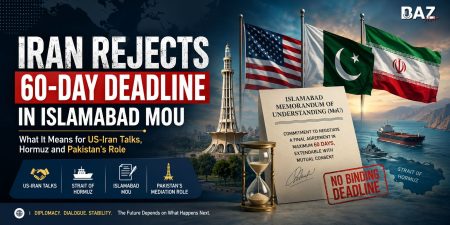
Iran’s nuclear program remains the most sensitive unresolved topic. Both sides have agreed to continue discussions for the next 60 days.
US Sanctions Easing
Sanctions relief is expected to be gradual rather than immediate. Economic restrictions will likely be lifted in phases depending on compliance and verification mechanisms.
Long-Term Security Guarantees
A permanent security framework for the region is still under discussion, including monitoring mechanisms and dispute resolution systems.
Global Economic Impact: Oil Markets React Sharply
One of the most immediate effects of the announcement has been seen in global energy markets.
Oil Prices Drop After Peace Announcement
Crude oil prices fell significantly following the news, with West Texas Intermediate dropping by approximately 4% to $80.87 per barrel.
Why Oil Markets Are Sensitive
The Middle East plays a central role in global oil supply chains. Any disruption in the region especially around the Strait of Hormuz directly impacts global energy prices.
Political Reactions and Diplomatic Role
The announcement has triggered global diplomatic responses, with major world leaders acknowledging the breakthrough.
Donald Trump reportedly confirmed that the agreement is nearing finalization, emphasizing the importance of restoring oil flow and stabilizing global markets.
Meanwhile, Pakistan’s diplomatic engagement particularly through Prime Minister Shehbaz Sharif has been highlighted as a key facilitation effort in the peace framework.
Strategic Importance: Strait of Hormuz and Global Trade
The reopening of the Strait of Hormuz is arguably the most significant economic element of this agreement. Nearly one-fifth of global oil supply passes through this maritime corridor.
Why It Matters:
- Stabilizes global shipping routes
- Reduces insurance and freight costs
- Restores investor confidence in energy markets
- Supports global inflation control
Future Outlook: What Happens Next?
The next 60 days will be critical in determining whether this preliminary agreement evolves into a full peace treaty.
Key Focus Areas:
- Nuclear negotiations progress
- Verification of troop withdrawal
- Gradual sanctions relief mechanism
- Maritime security enforcement
- Regional stability agreements
If successful, the deal could reshape Middle Eastern geopolitics and significantly influence global energy markets for years to come.
Conclusion
The US-Iran preliminary peace agreement 2026 represents a major diplomatic milestone with wide-ranging implications for global security, trade, and energy markets. While still in its early stages, the framework signals a potential end to one of the most destabilizing conflicts in recent history.
With continued negotiations ahead, the world now watches closely as both nations attempt to transform a fragile memorandum into a lasting peace agreement.